.jpg)
Pastoralism is in his Blood
A pastoralist applies new knowledge to protect grazing land for the future.
A pastoralist applies new knowledge to protect grazing land for the future.
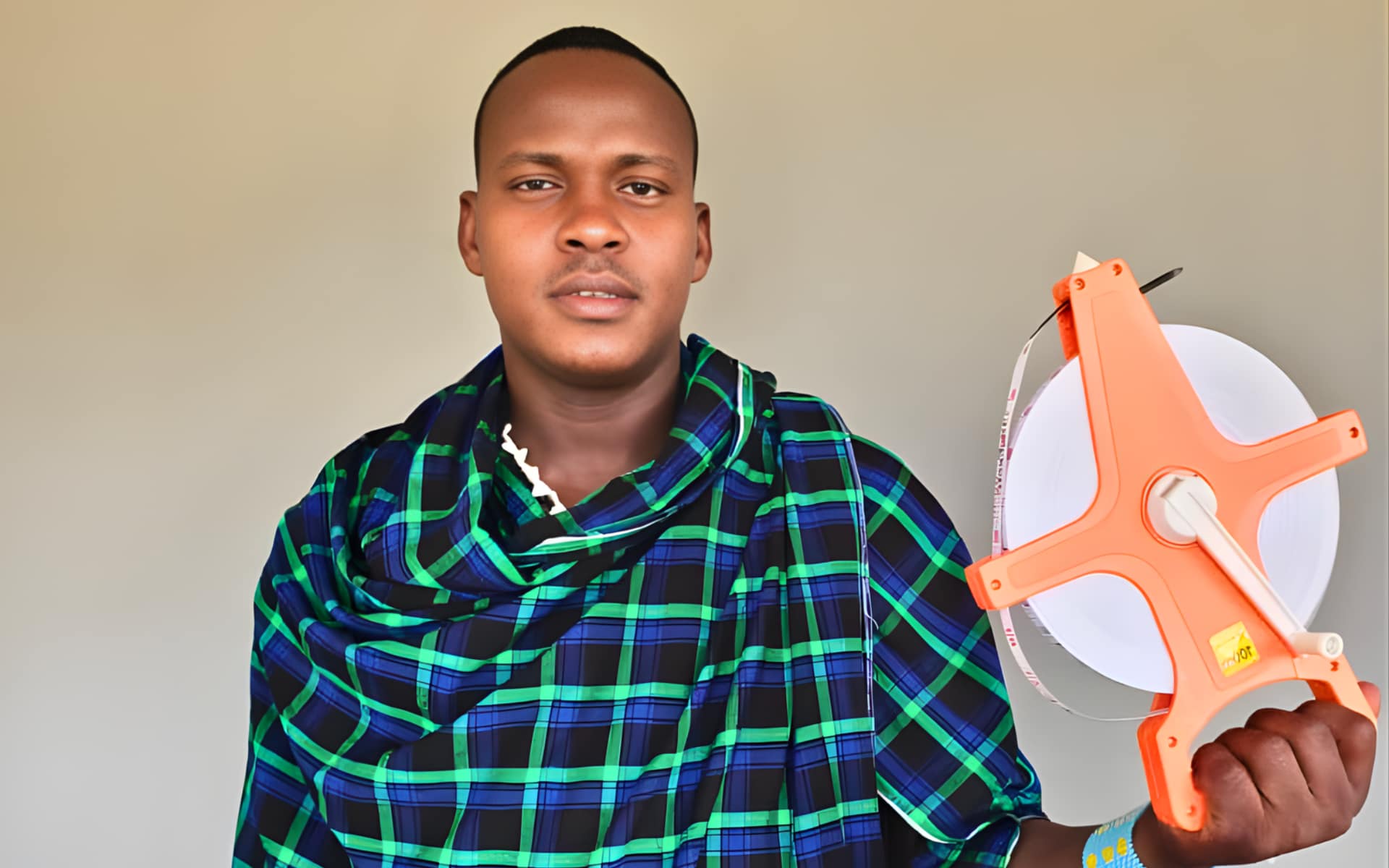
“For me, anything that involves developing the rangeland—count me in,” says 30-year-old Leepa Nairaba. “Pastoralism is in my blood.”
Growing up in a family of seven, Leepa learned early that livestock survival depends entirely on healthy pasture. During dry seasons, herders often traveled long distances in search of grazing. He saw invasive plant species spreading and fires affecting grasslands.
Now a community rangeland monitor, Leepa is part of a network of 58 trained habitat monitors collecting ongoing data on grassland health. He has learned how to navigate using compass directions, assess vegetation conditions, and identify invasive species before they spread further.
Now I can share this knowledge with my community.
Grazing committees use monitoring results to guide seasonal movement and protect dry-season reserves. Improved planning allows pasture to recover and reduces pressure on vulnerable areas. “If people follow the plans,” he says, “we will have pasture throughout the year.”
He values the combination of traditional knowledge and structured monitoring. Elders understand the land through experience. Monitoring adds another layer, helping communities see patterns and make decisions based on evidence.
Healthier rangelands mean fewer livestock losses during drought and greater stability for pastoral families. “Now I can share this knowledge with my community,” Leepa says. For him, monitoring is part of protecting both livelihood and culture.
.jpg)
.jpg)
%20(1).jpg)