

On June 21, World Giraffe Day, African People & Wildlife will premiere Sentinels of Engaruka for Tanzanian audiences. Filmed in Tanzania’s Engaruka Valley, the 30-minute documentary follows endangered Masai giraffes, Maasai pastoralists, and the savanna country shaped by livestock, wildlife, seasonal rain, and climate pressure. The film was made by a Tanzanian team and offers a close look at giraffe conservation through the people and places closest to it.
World Giraffe Day was initiated by the Giraffe Conservation Foundation and is marked every year on June 21 to celebrate the world’s tallest animal and raise awareness for giraffe conservation. GCF estimates that about 140,000 giraffes remain in the wild across Africa, following a decline of nearly 30 percent over the past 35 years.
For anyone searching for a giraffe documentary, a Tanzania wildlife film, or a better understanding of giraffes in the wild, Sentinels of Engaruka begins with land. Giraffes need trees to browse, open country to move through, and habitat that can support them through changing seasons. In Tanzania, many of those places are also home to pastoralist communities whose knowledge of grasslands, water, livestock, and weather is part of the conservation story.

By filming over two years with a local crew, I wanted to replace the usual ‘wild Africa’ narrative with an inside view of resilience: elders gauging the rains, warriors walking for pasture, giraffes choosing safety near human homes. My hope is that audiences in America, Nairobi, or Berlin will see themselves in the choices these communities face and ask what coexistence could look like where they live.
Hans Cosmas Ngoteya, Director
Masai giraffes in Tanzania
The Masai giraffe is Tanzania’s national animal, and Tanzania remains one of the most important countries for the species. GCF estimates about 43,200 Masai giraffes remain in the wild across Tanzania and Kenya. The species was classified as Endangered on the IUCN Red List in 2018.
In 2025, IUCN officially recognized four distinct giraffe species, including the Masai giraffe, Giraffa tippelskirchi. The change gives conservationists a clearer way to understand the needs of each species and the pressures facing them in different parts of Africa.
Masai giraffes face pressure from habitat loss, fragmentation, poaching, expanding settlements, land conversion, drought, and other human activities. Over time, these pressures can make savannas harder for wildlife to use, reduce access to forage and water, and narrow the routes animals use to move across the land.
A giraffe’s height is the first thing people notice. Movement may be even more important. Giraffes need space to browse, find seasonal resources, avoid danger, and raise calves. Trees, open ground, rainfall, water, and land-use decisions all shape the future of giraffes in Tanzania.

Savannas, climate, and pastoralist knowledge
Giraffes are often seen as animals of the open savanna, but their survival depends on a working mix of trees, grasslands, seasonal water, and movement. Masai giraffes browse leaves and shoots from trees and shrubs, travel across open country, and adjust to changing conditions through the year. When drought deepens, vegetation shifts, or movement routes become harder to use, giraffes feel those changes across the landscape.
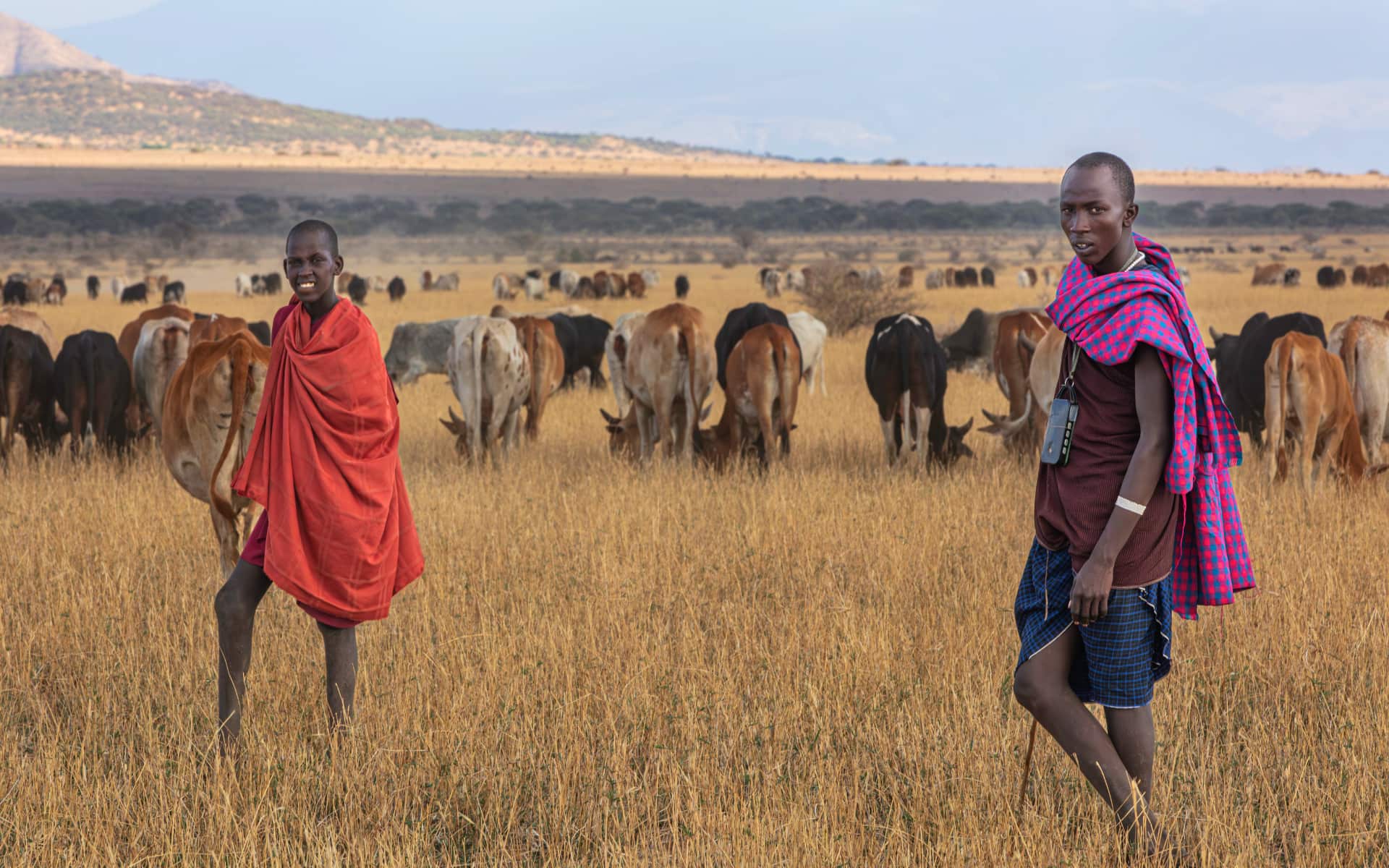
Pastoralist communities read many of the same signs. Herders watch the condition of pasture, the timing of rain, the spread of invasive plants, and the health of livestock. Their decisions about when and where animals move are shaped by knowledge built over generations and tested each season. In places like Engaruka, giraffe conservation and pastoralist life meet in the same savannas.
That connection is especially timely in 2026, the United Nations International Year of Rangelands and Pastoralists. Rangelands include grasslands, savannas, shrublands, deserts, wetlands, and mountain areas, and they cover about half of Earth’s land surface. They support biodiversity, livestock-based livelihoods, cultural heritage, and local knowledge systems that are often overlooked in conservation conversations.
Engaruka gives the international year a clear Tanzanian story. The film shows why these landscapes cannot be understood only through wildlife numbers or climate data. They are places where people, livestock, giraffes, trees, rain, and soil are linked. Healthy savannas provide forage for giraffes and grazing for livestock. Strong local leadership helps grazing areas recover. Pastoralist knowledge helps communities respond when conditions change.
Climate pressure makes that work more urgent. Hotter conditions, less predictable rainfall, invasive plants, and development pressure can affect both wildlife habitat and grazing areas. For giraffes, the result can be less access to food and movement. For pastoralist families, it can mean longer walks, harder choices, and more pressure on livestock. Sentinels of Engaruka brings those realities into view through one valley and the people who know it closely.
A Tanzanian film for everyone
Sentinels of Engaruka was directed and produced by Hans Cosmas Ngoteya, an award-winning Tanzanian filmmaker, co-founder of Ngoteya Wild, and member of African People & Wildlife’s Board of Directors. His work brings Tanzanian conservation stories to wider audiences through the voices and experiences of people living close to wildlife.
The film was created through a collaboration between African People & Wildlife and Ngoteya Wild, with a Tanzanian production team working closely in Engaruka for nearly two years.
Schools, conservation groups, cultural centers, zoos, safari companies, businesses, and community organizations can now reach out to APW to explore hosting or sponsoring a screening.
To support APW’s community-driven conservation work in Tanzania, please consider making a donation. Your gift helps protect wildlife habitat and support the people living alongside giraffes and other iconic species.

With thanks
Sentinels of Engaruka was made possible through the trust, generosity, and knowledge of many people. African People & Wildlife is grateful to the community members who welcomed the film team, shared their perspectives, and helped bring this story to life.
We also thank Wild Nature Institute for its giraffe expertise, forward-thinking donors for supporting the film from the beginning, and our on-the-ground partners, including Trias and now the Aid by Trade Foundation, whose collaboration helps drive coexistence in the Engaruka Valley.