

Twenty years into this work, progress rarely shows up as a single moment. It looks more like neighbors meeting under a tree, a young officer learning to read the land more carefully, or a family sleeping more easily behind a Living Wall that has held strong for years. In 2025, African People & Wildlife paused to notice these kinds of moments – small in themselves but striking when sustained over time. The highlights below reflect how long-term commitment and trusted partnerships continue to shape conservation outcomes for people and wildlife across Tanzania.
Community Science Powers Restoration
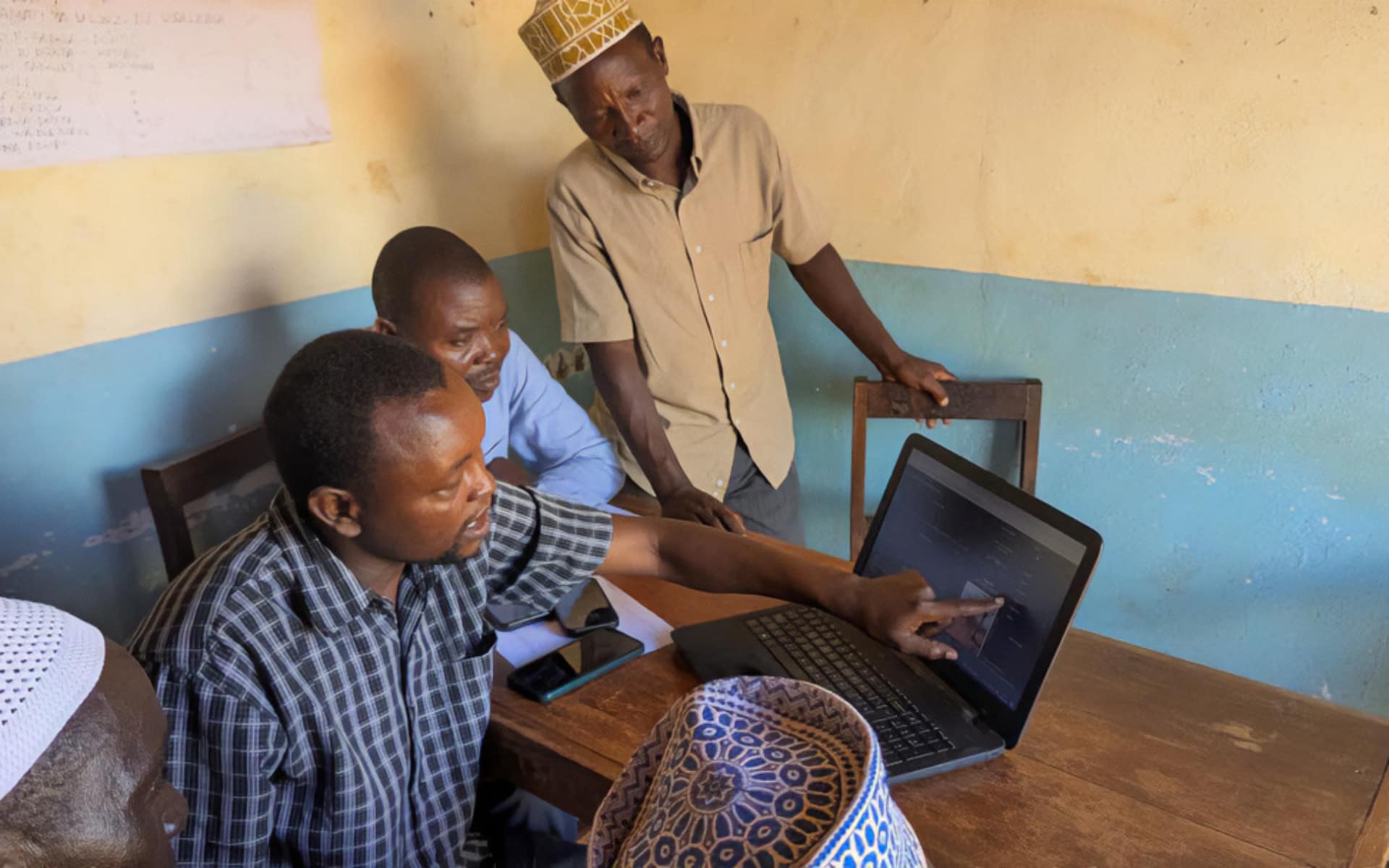
Habitat monitoring has become second nature in nearly 60 partner villages, where community members regularly track grassland health and seasonal changes. This ongoing work in 2025 meant decisions about grazing and restoration were grounded in real-time knowledge. Receiving the IUCN Tech for Nature award at the World Conservation Congress this year was an extra special acknowledgment of the dedication and expertise communities have built and put into action every day.
Lasting Legacy of Living Walls
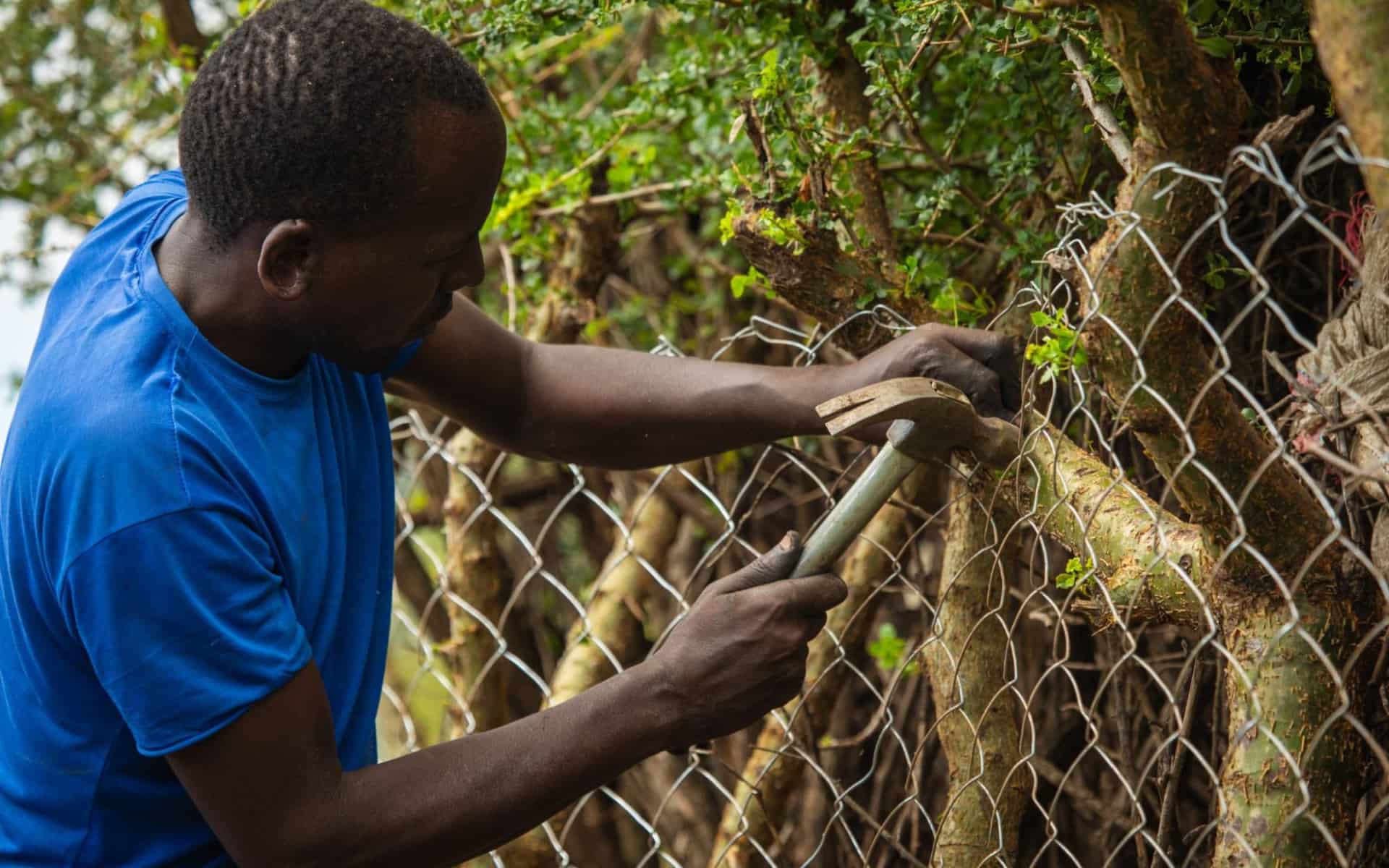
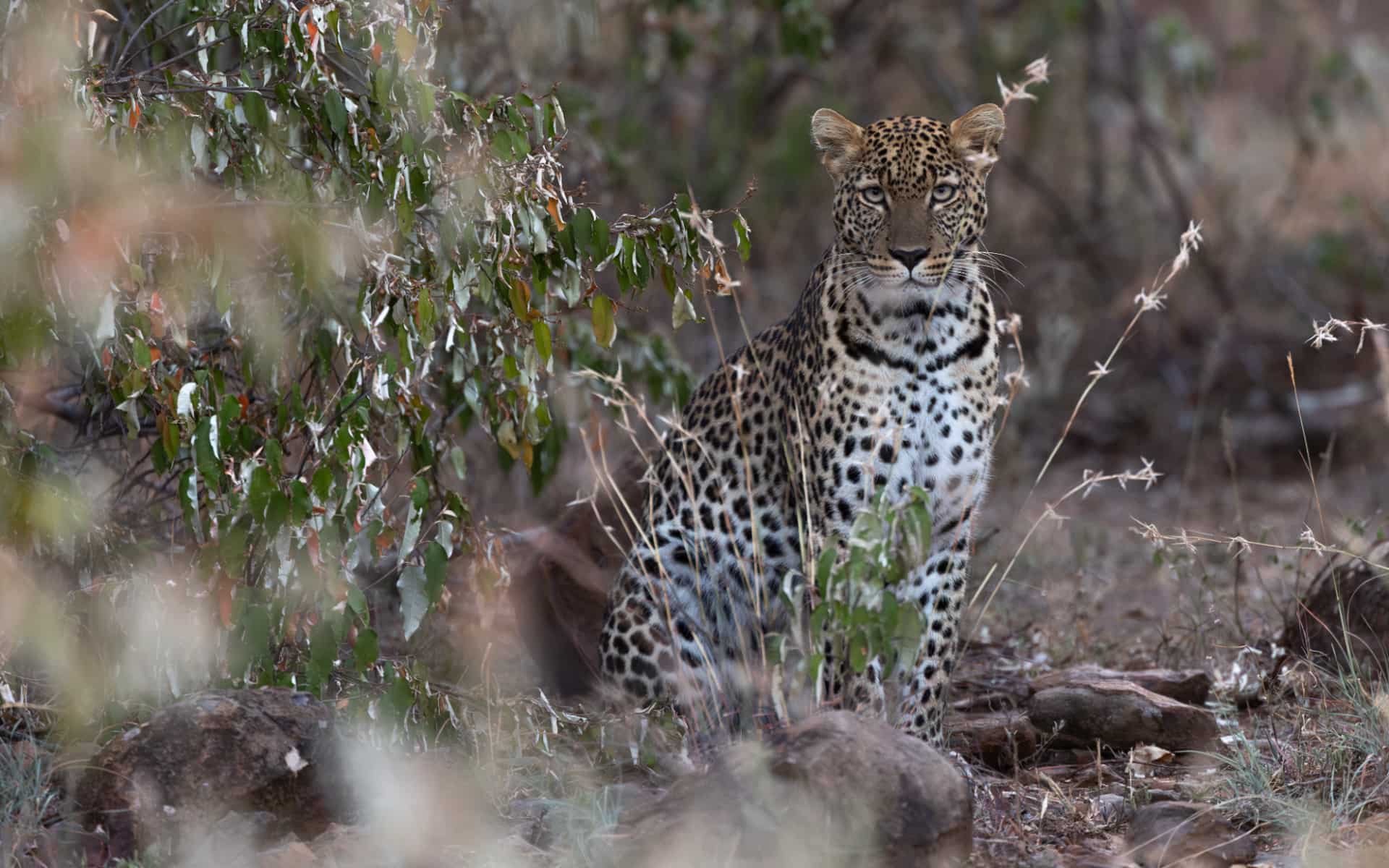
Decades after APW co-built the first Living Wall with Alais Teme, communities continue to find peace and security behind these nature-based corrals. In 2025, partner villages installed new Living Walls in conflict hotspots like Greater Mikumi, protecting livestock and reducing pressure on lions and other big cats. With over 2,100 Living Walls now safeguarding families across Tanzania, this tool has become central to APW’s 20-year effort to promote safer human–carnivore coexistence.
Warriors for Wildlife Reach Their Largest Footprint Yet
Warriors for Wildlife continues to expand through sustained investment in community conservation. By 2025, the program reached 180 officers, with new teams activated in the Greater Serengeti and Greater Mkomazi regions. This growth has driven a significant decline in human-wildlife conflict—particularly involving elephants and big cats—by strengthening local capacity and enabling more effective, timely responses even as animal behavior and conflict patterns shift.
Women Leading Change, from Bees to Big Picture
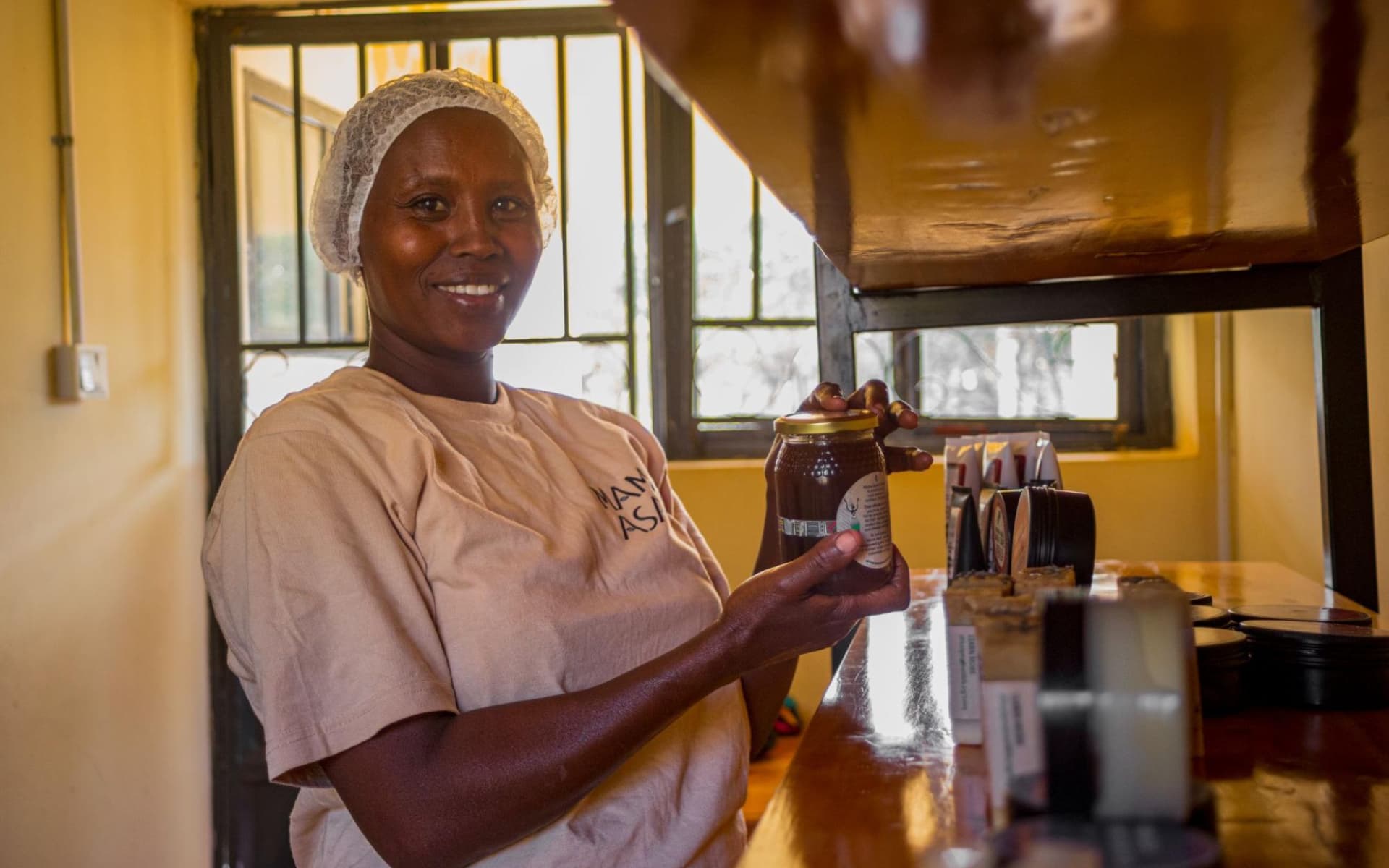
In 2025, a new class of mentees joined the African Women in Conservation program, bringing fresh perspectives and energy to our fieldwork. Meanwhile, Queen Bees gained business and personal development training to advance their Mama Asali businesses. With two new honey processing centers opening, beekeepers across APW’s networks are better positioned to access new markets and grow their businesses, while their hives continue to support pollinators and native vegetation in the surrounding savanna woodlands.
Grassroots Grazing Influences National Policy
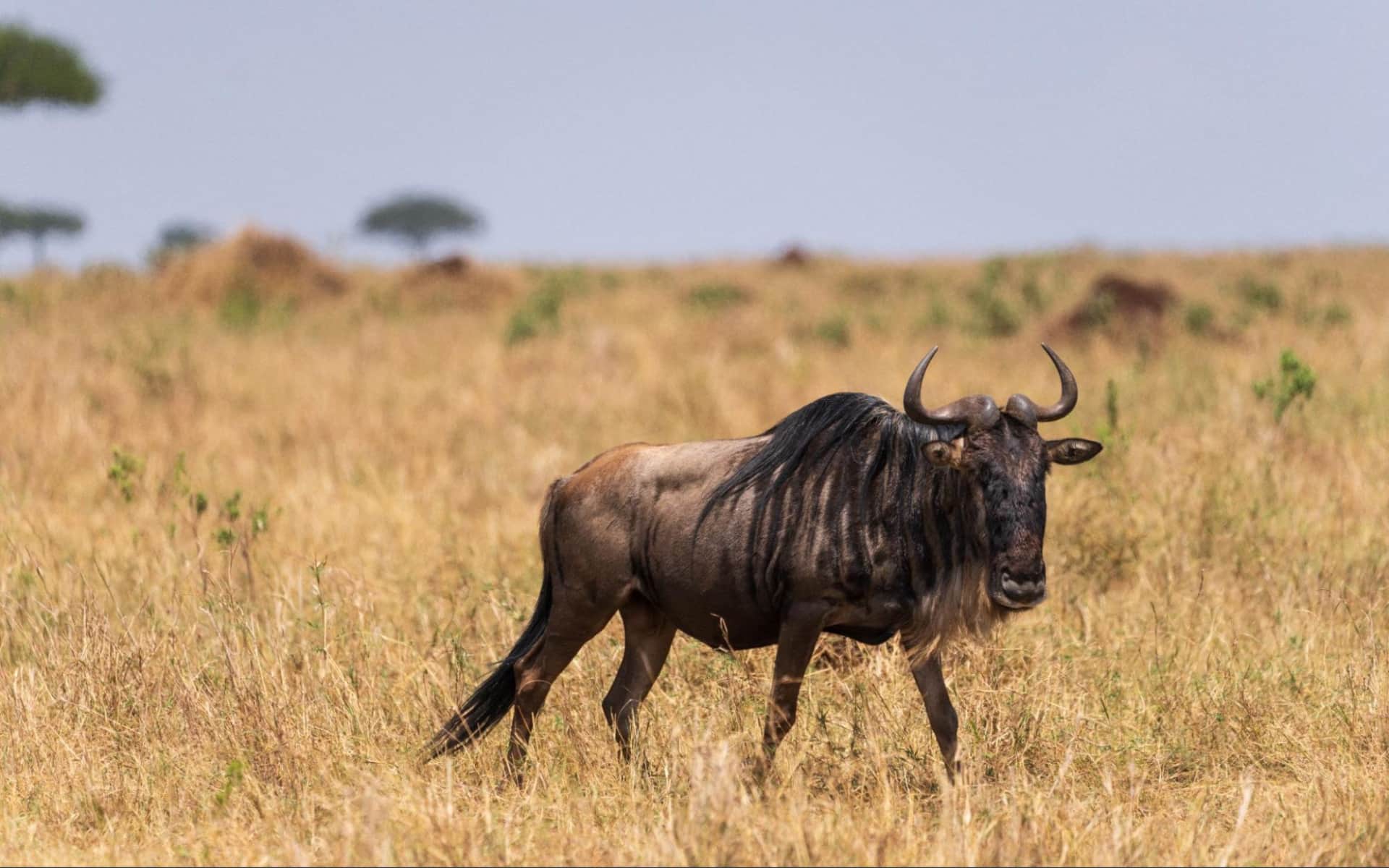
Through years of coordinated grazing and shared decision-making, APW-supported communities sustainably manage more than 328,000 hectares (an area larger than Tarangire National Park!), which has been critical for livestock and wildlife in a year of prolonged drought. This foundation helped lead to a new memorandum of understanding in 2025 with Tanzania’s Ministry of Livestock and Fisheries – a development that signals how local experience can influence national policy and locally led conservation opportunities.
Education Connecting Conservation, Health, and Opportunity
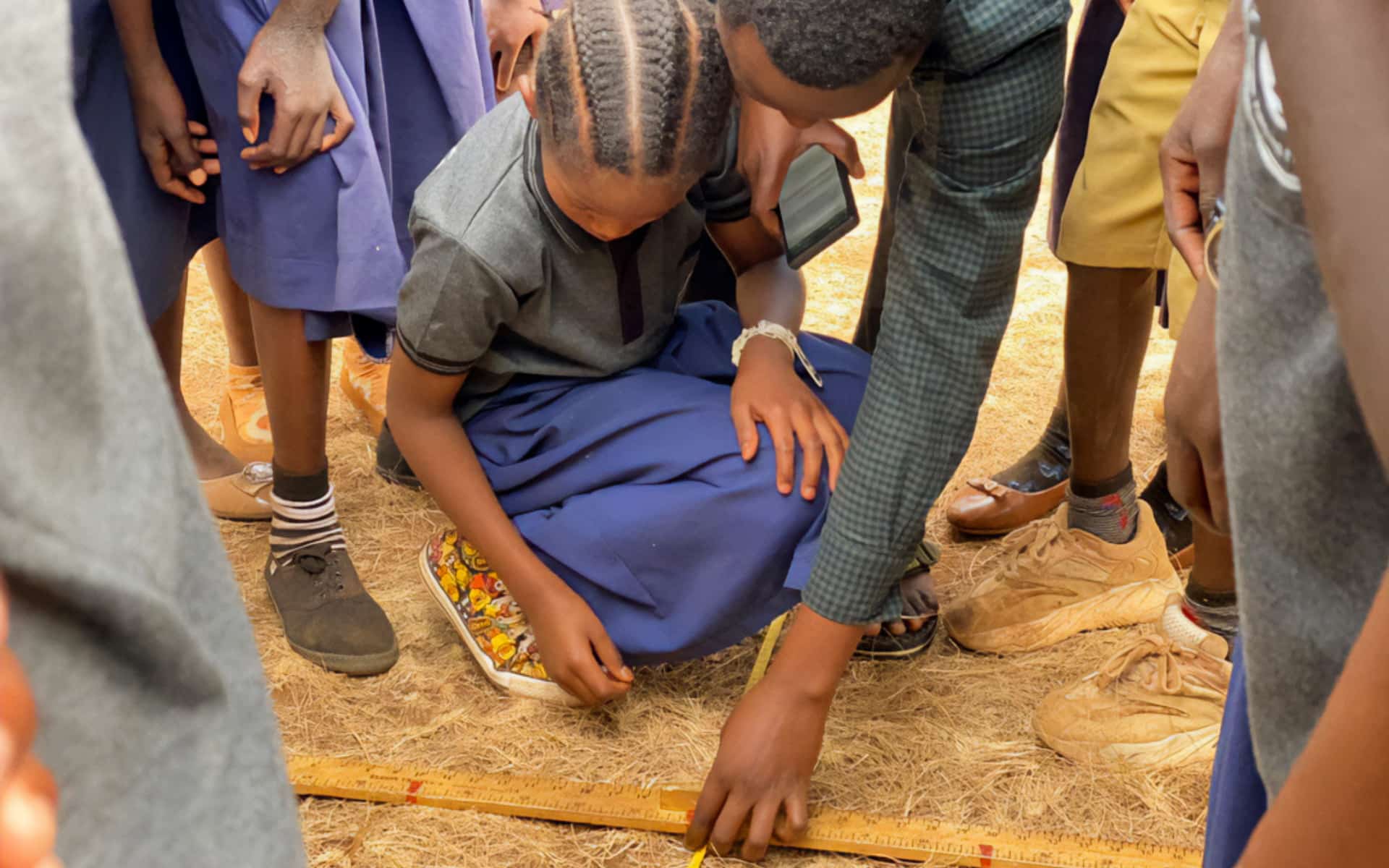
Youth engagement at APW has always reached beyond conservation. This year, Girls Clubs expanded their focus to include health and well-being, and hundreds of students had a chance to enjoy wildlife experiences at the Noloholo Environmental Center. The recent completion of 12 new comfortable accommodations for visiting conservation practitioners participating in ACTIVE community engagement workshops, now reaching organizations across Tanzania and East and Southern Africa.
A Learning Organization, Growing Together
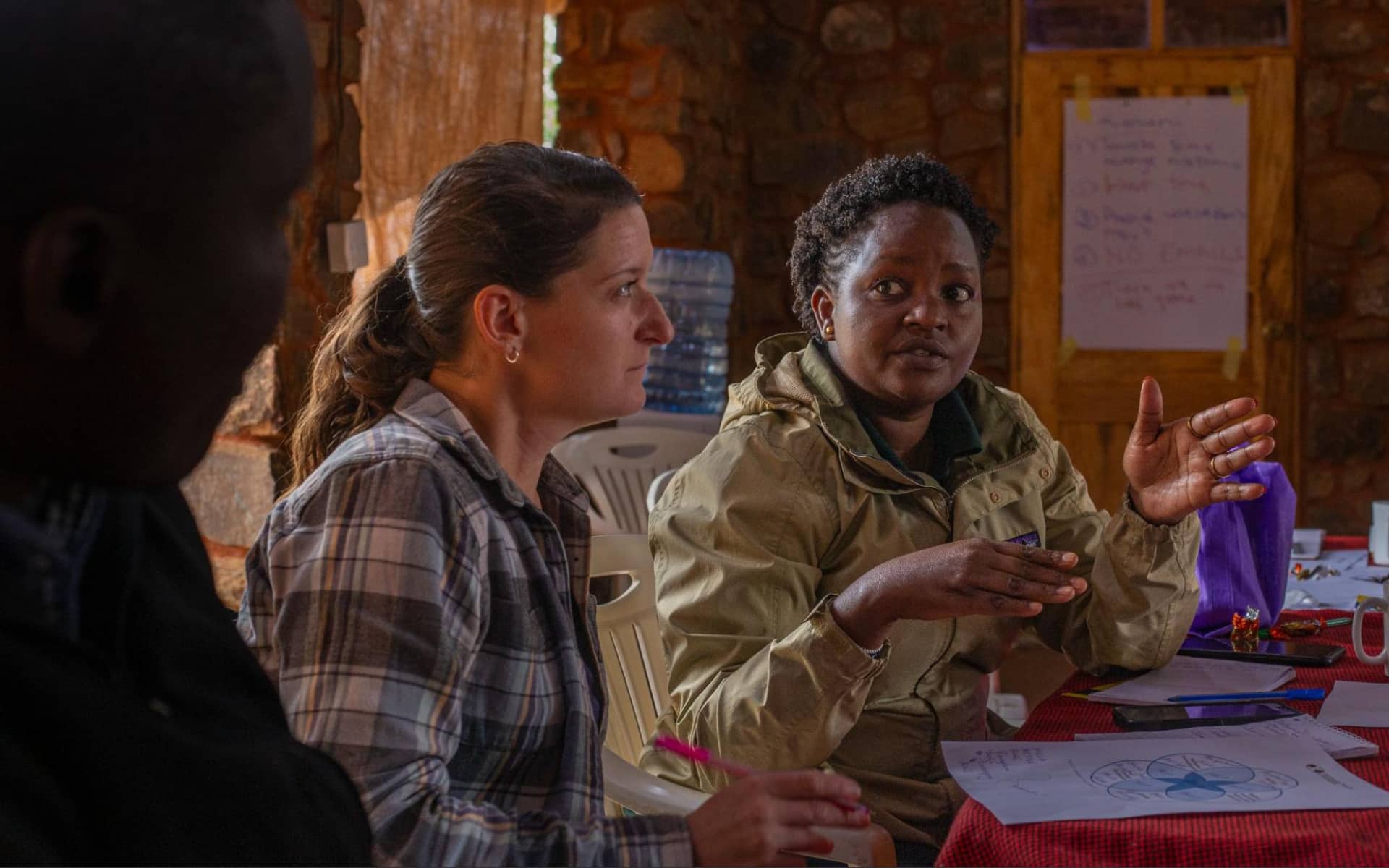
After twenty years, many APW staff who began as interns or early-career officers now lead major program areas. This internal growth reflects our commitment to building our own capacity and staying ahead of emerging challenges. In 2025, a teamwide climate adaptation workshop provided staff with space and time to share new ideas and strengthen their skills, reinforcing our culture of learning and innovation.
Tracking Progress for People and Elephants
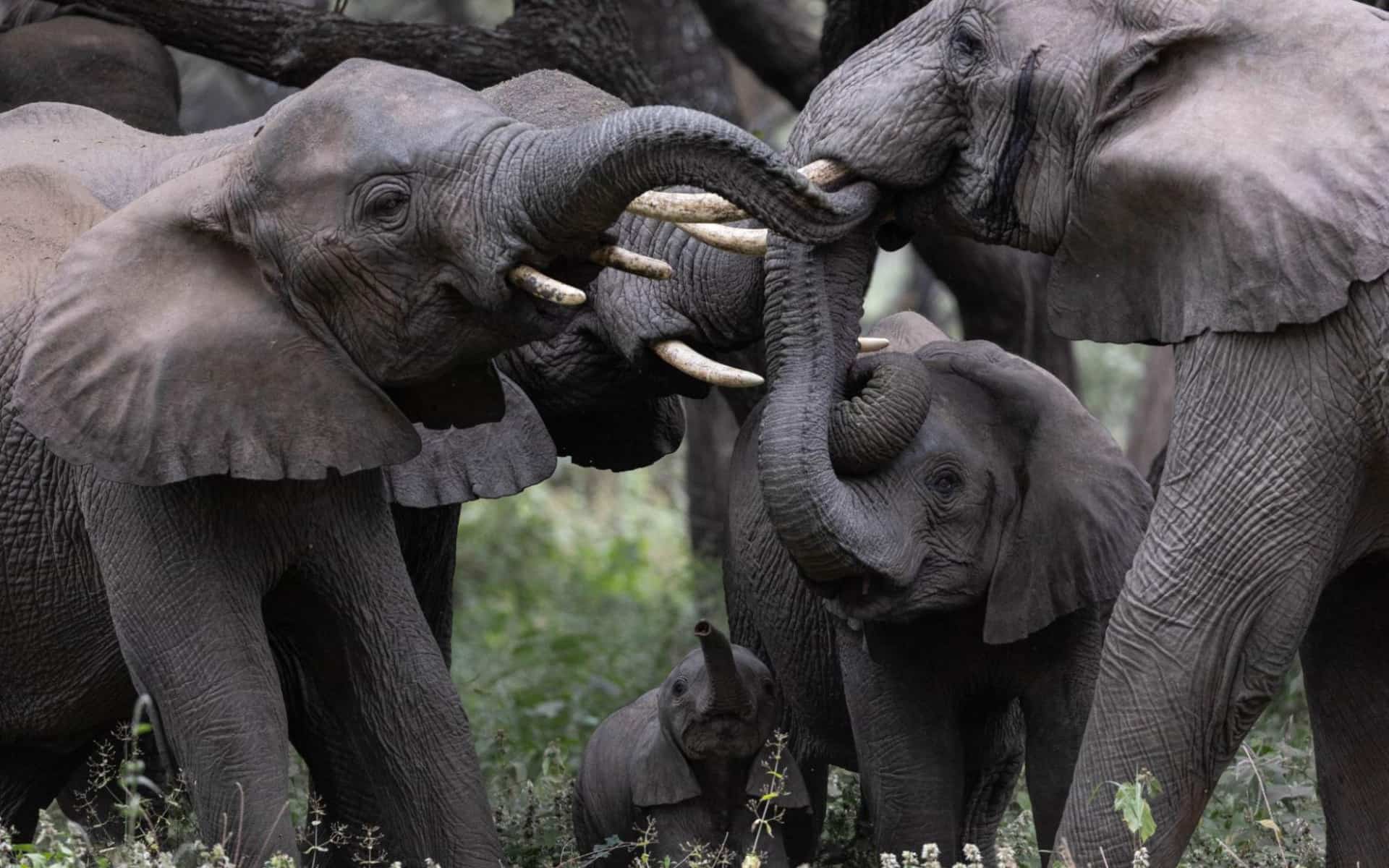
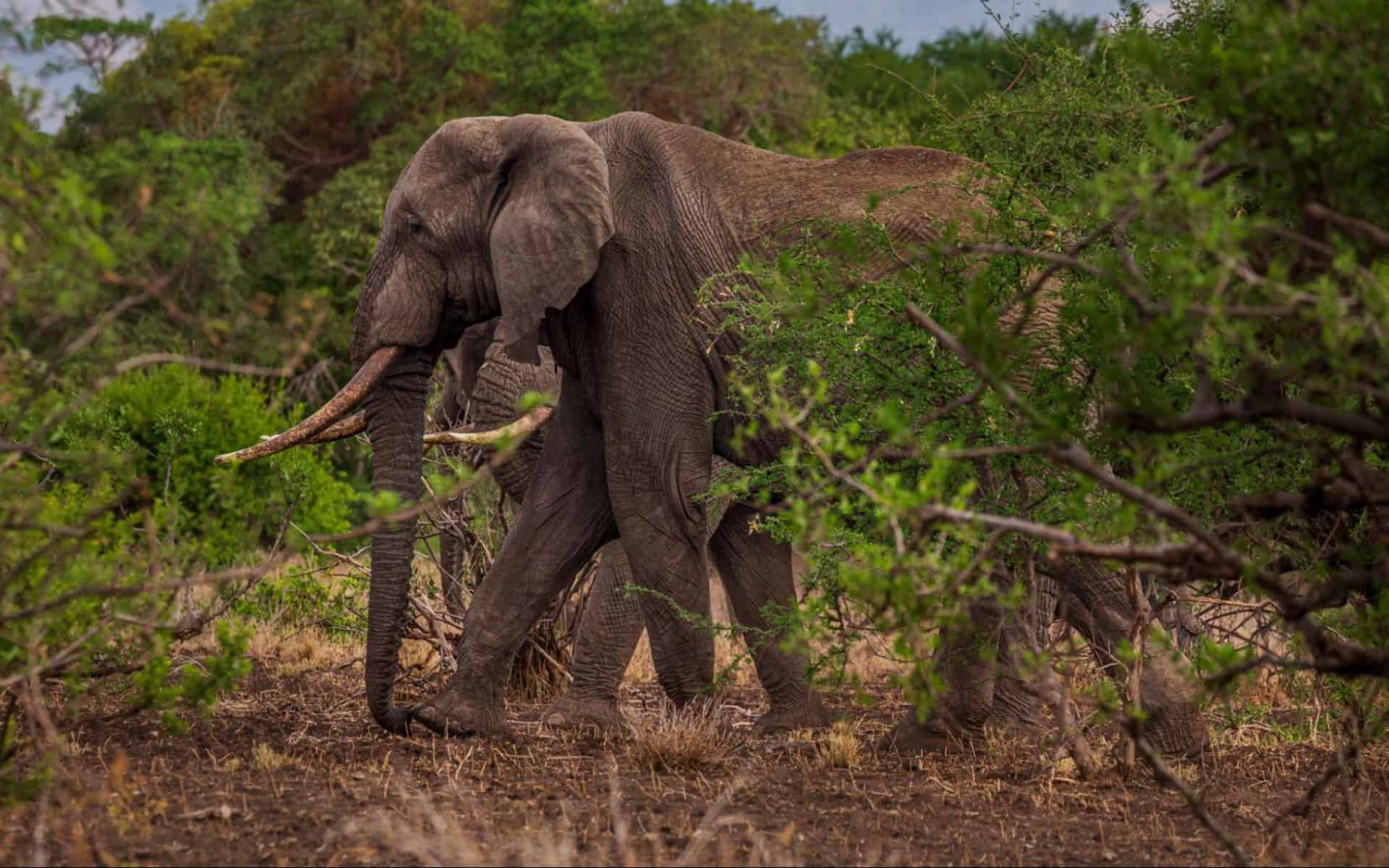
Surveys in the Greater Serengeti showed that villages receiving ongoing support from Warriors for Wildlife expressed more positive views on elephant protection and greater confidence in using nonlethal tools to prevent or reduce conflict. These shifts are reflected on the ground, where data from the same villages shows a continued and encouraging decline in human–elephant conflict. Meanwhile, elephant collaring in the Greater Mkomazi landscape continued to improve early-warning systems for crop protection and safe wildlife movement.
Collaborating for Climate Resilience
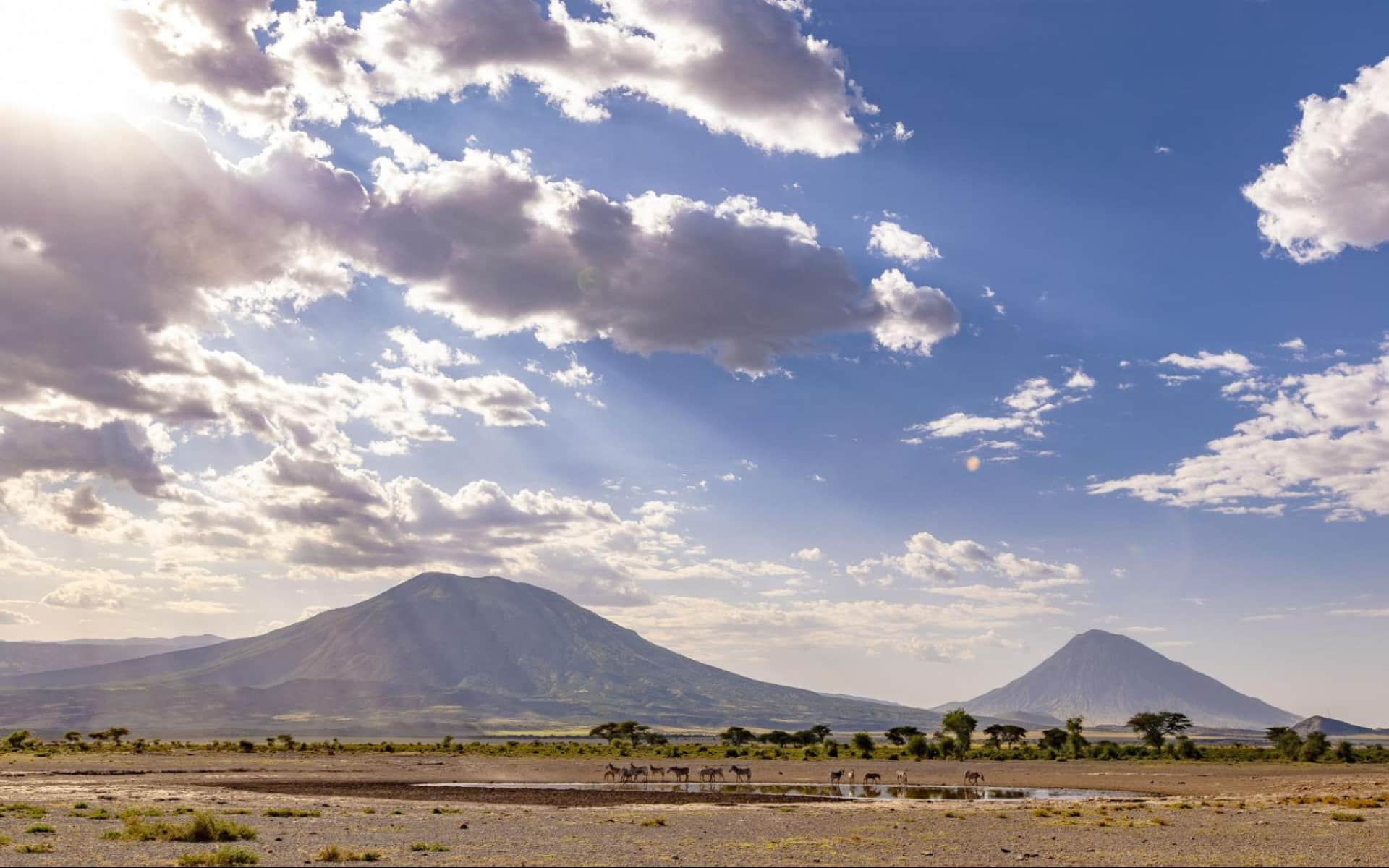
APW’s roots in community engagement led to an invitation in 2025 to help shape Tanzania’s national climate education curriculum. Ongoing landscape-scale projects, such as those around Lake Natron, continued to demonstrate the benefits of community governance and long-term planning for climate resilience.
Partnerships That Sustain Progress
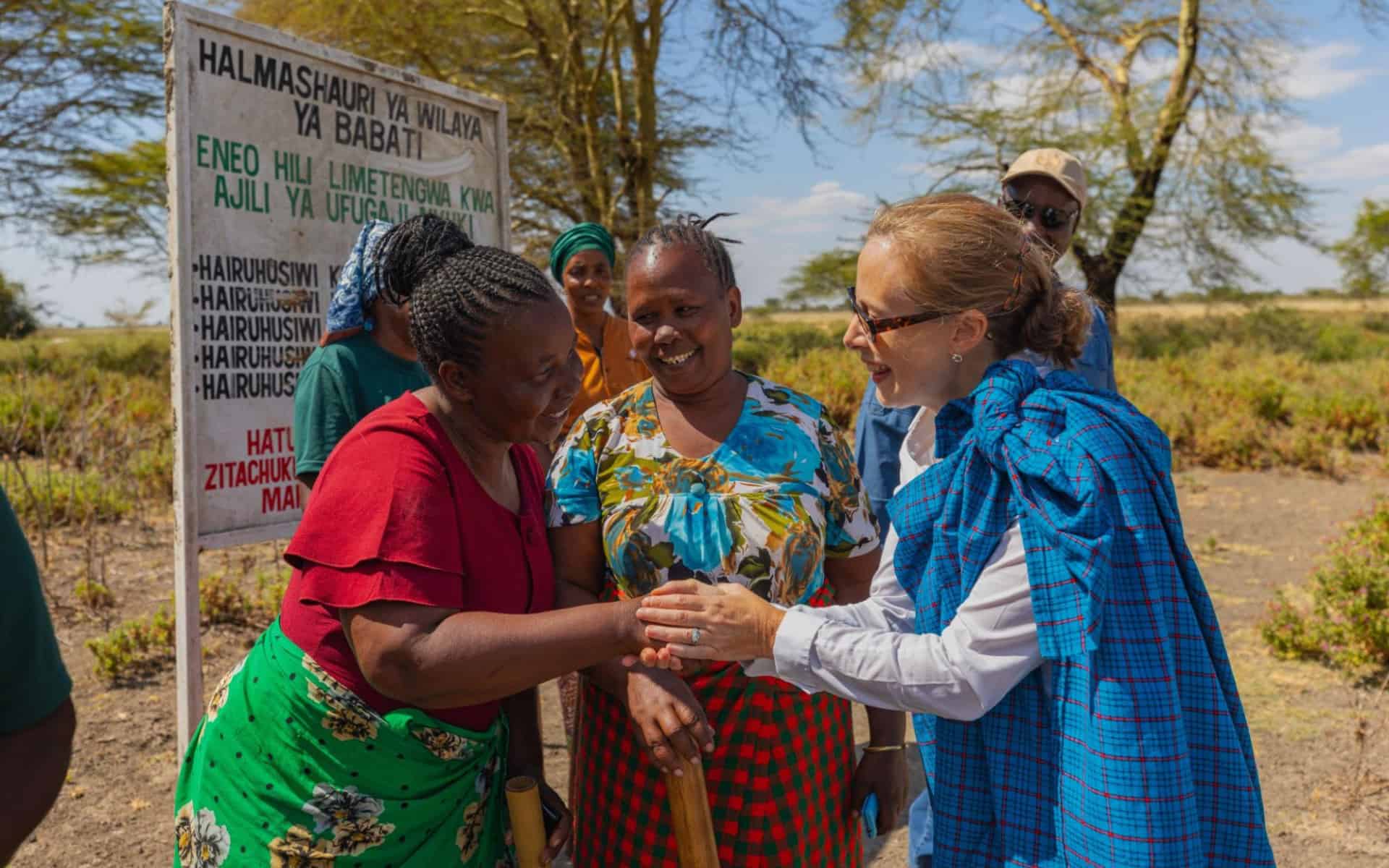
Strategic partnerships remain central to APW’s progress. Eighty partner communities work with us across six conservation landscapes, and we continue to benefit from the dedication of funders, supporters, and technical collaborators as we grow the reach and depth of our programming. In a year when international aid and philanthropic funding faced major challenges, these partners stepped up to join us in building lasting impact for people and wildlife.
Two Decades of Progress… With Much More to Come
After twenty incredible years, APW’s impact stretches across generations and landscapes, from young people finding their passion for conservation, to women boldly leading enterprises and field programs, to communities standing together to protect elephants, big cats, and the very grasslands that sustain the world’s most iconic migrations.
The energy and momentum we’ve built are just the beginning. The year ahead promises bold partnerships, new breakthroughs in coexistence solutions, and a chance to push further than ever before. Join us at this pivotal moment. Together, we can shape the next chapter of conservation—and your support will make all the difference in what we achieve next.