The Land We Pass On: Celebrating the International Year of Rangelands and Pastoralists
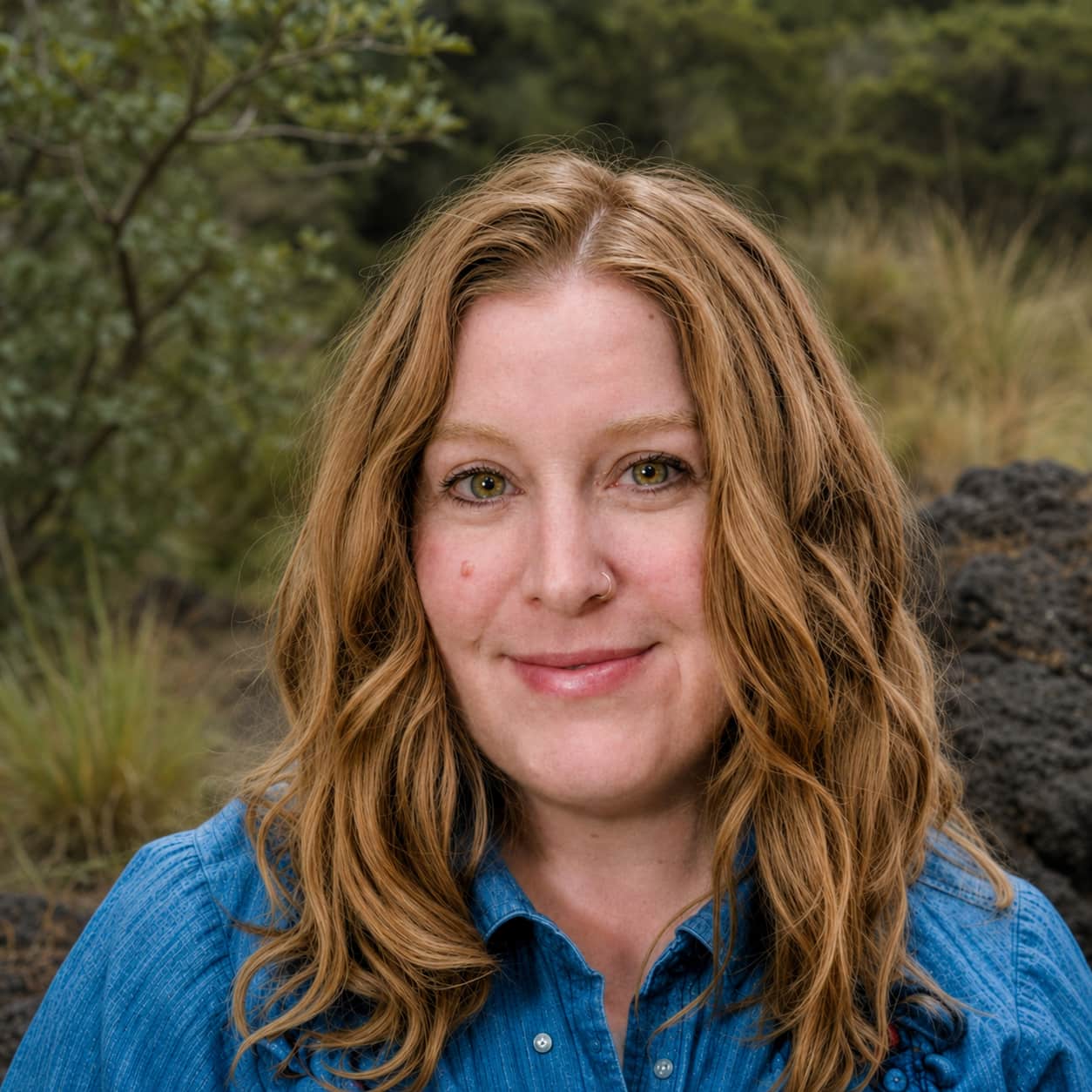


The real challenge is advancing conservation and development in ways that protect Indigenous peoples like the Maasai, who are too often left without a voice.
Alais Ole-Morindat
In 2026, the International Year of Rangelands and Pastoralists is drawing global attention to the importance of rangelands and the people whose lives, knowledge, and livelihoods are intertwined in them. In Tanzania, Mzee Alais Ole-Morindat has understood their value all his life.
For the Maasai, rangelands are living landscapes, shaped by generations of knowledge and experience. Alais grew up understanding that people, livestock, and wildlife all depend on the same land—and that each generation has a responsibility to care for it.
As a child, Alais spent long days on the rangelands with his father. He learned that these lands are home to cattle, goats, and sheep, as well as elephants, giraffes, lions, and countless other animals.
“We were taught that this is our home together,” Alais says. “We must never deny others that right.”
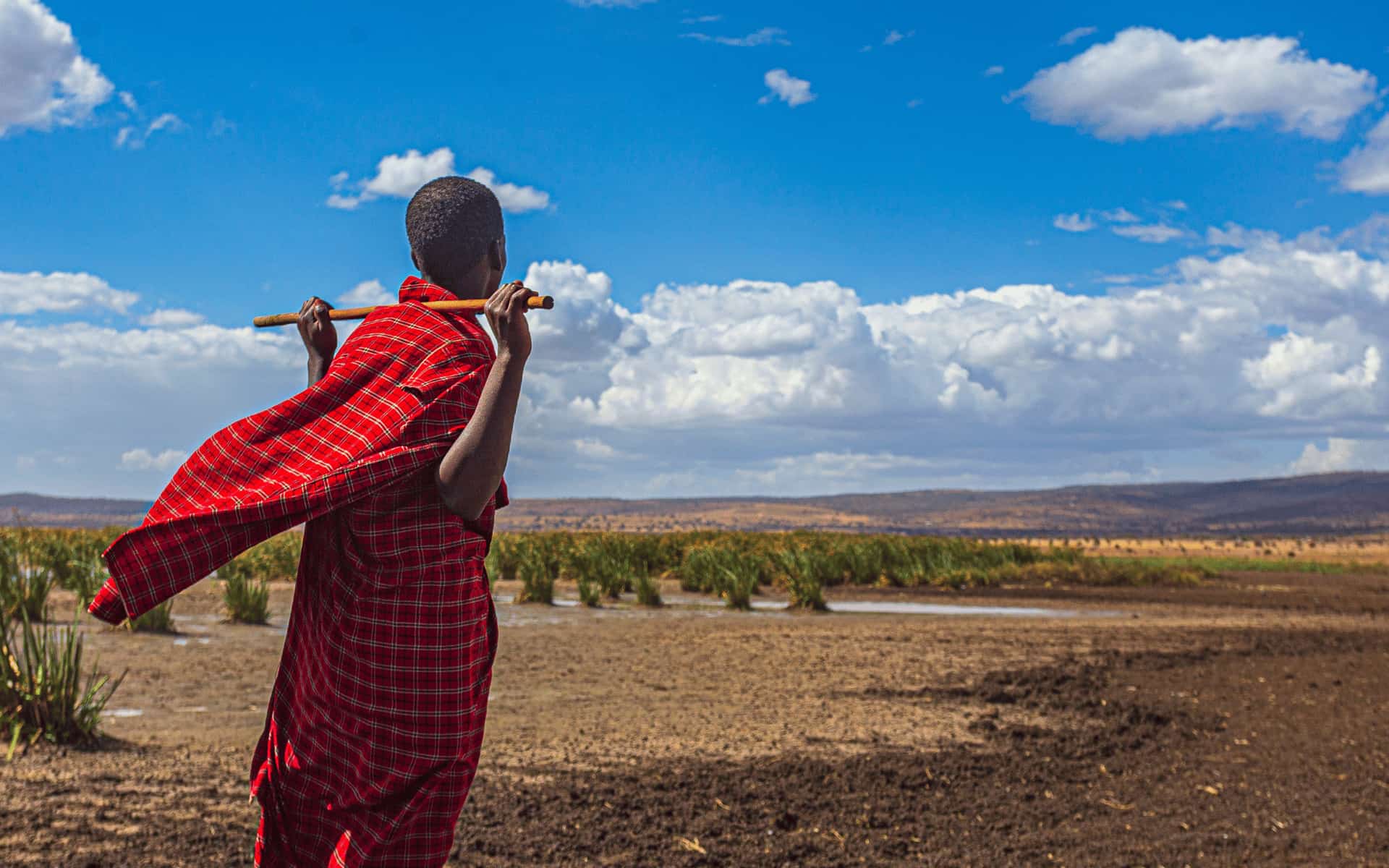
Pastoral life has always required people to respond to change. Seasons of abundance, when rain fills ponds and grass grows easily, give way to seasons of scarcity, when water disappears and livestock must travel long distances to survive. In these drylands, mobility protects pasture and water while allowing the land time to recover.
“These movements are not random,” Alais explains. “They are discussed and agreed upon by the community, guided by elders, and based on experience passed down over generations.”
Today, these systems are under growing strain. Climate change is bringing longer and less predictable dry seasons, while land fragmentation and new restrictions are limiting access to pasture and water. When pastoralists can no longer move in response to changing conditions, livelihoods become more vulnerable and community relationships are tested.
“The real challenge is advancing economic development in ways that protect Indigenous peoples like the Maasai, who are too often left without a voice,” Alais says.

Alais brings this perspective to his involvement with African People & Wildlife and other community-based efforts across Tanzania. He has worked alongside pastoralist communities as they respond to mounting pressure on their lands and livelihoods, including our locally led rangeland stewardship efforts.
This work builds on what people already know. Pastoralists combine generations of experience with ongoing observations of rainfall, water, and pasture conditions, then exchange that information with neighboring villages. As communities coordinate their decisions across a wider area, grazing patterns can begin to reconnect beyond individual village boundaries.
For Alais, the future of Tanzania’s rangelands can be read in the realities of daily life, from the dust of the dry season and the growing distance to water, to the choices facing young pastoralists.
“These resources are not only for us,” he says.
“They are for those who come after us.”
