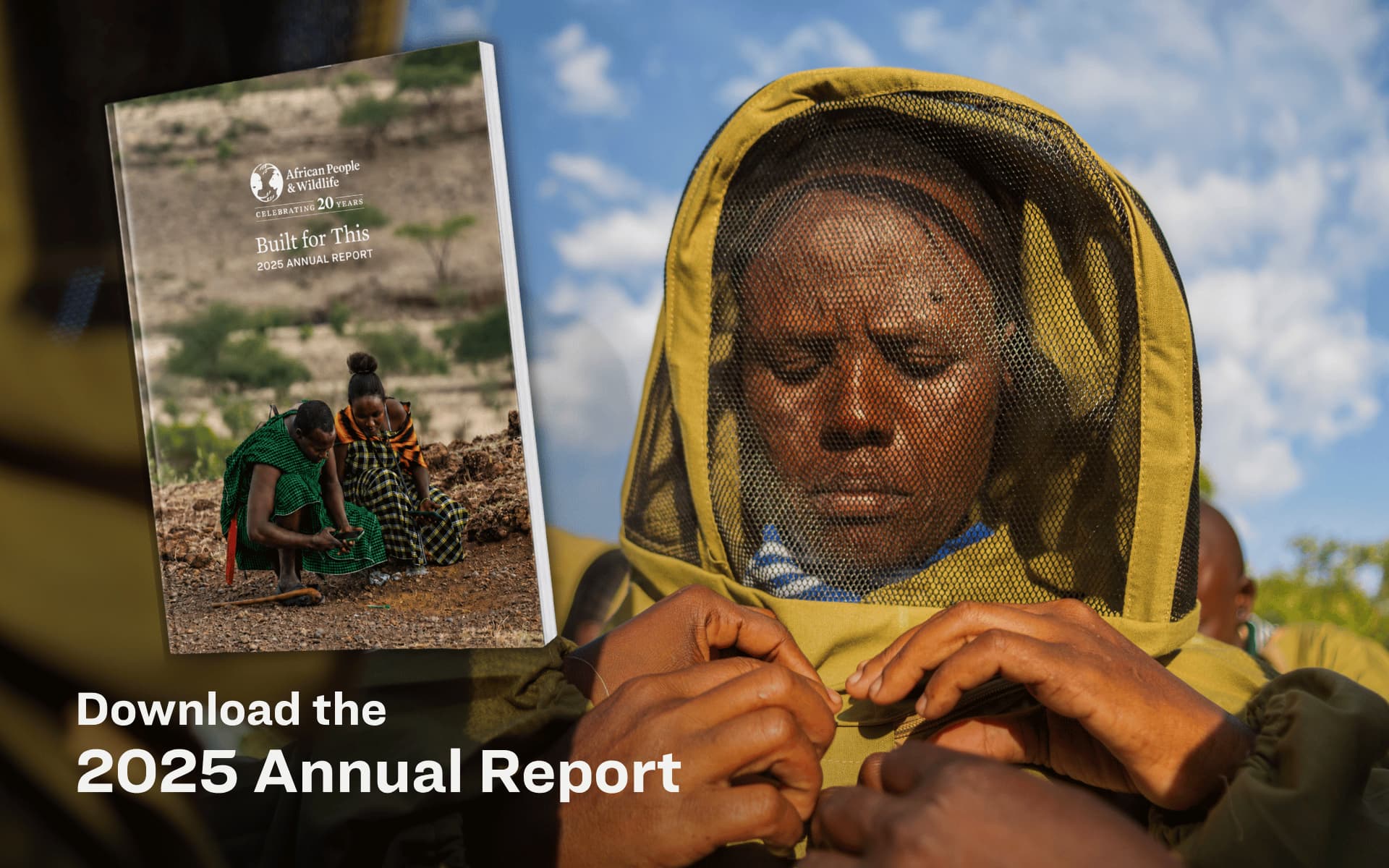

A single beehive may yield honey, but creating a resilient enterprise requires a wider vision.
For women’s groups, success depends on more than the harvest. Processing capacity, strong local leadership, reliable recordkeeping, quality control, and market connections all play a role. As the Mama Asali network has expanded, we have focused on building the systems that help each group thrive within a larger enterprise.
By 2025, the Women's Beekeeping Initiative brought together 1,944 beekeepers across 109 women’s groups. Twenty-one Queen Bees—local program assistants—helped monitor hives, report progress, lead trainings, and connect groups with the larger network.
Processing capacity expanded alongside the network. New equipment arrived at enterprise centers in Mswakini Chini and Lemooti, where women leaders trained in operating and maintaining machinery for honey processing, packaging, and developing beeswax products.
Advancing Local Enterprise
These centers respond to a practical challenge faced by rural enterprises. While selling crude honey brings in income, processing it locally allows communities to improve quality, create new products, and keep more value where the honey is produced.
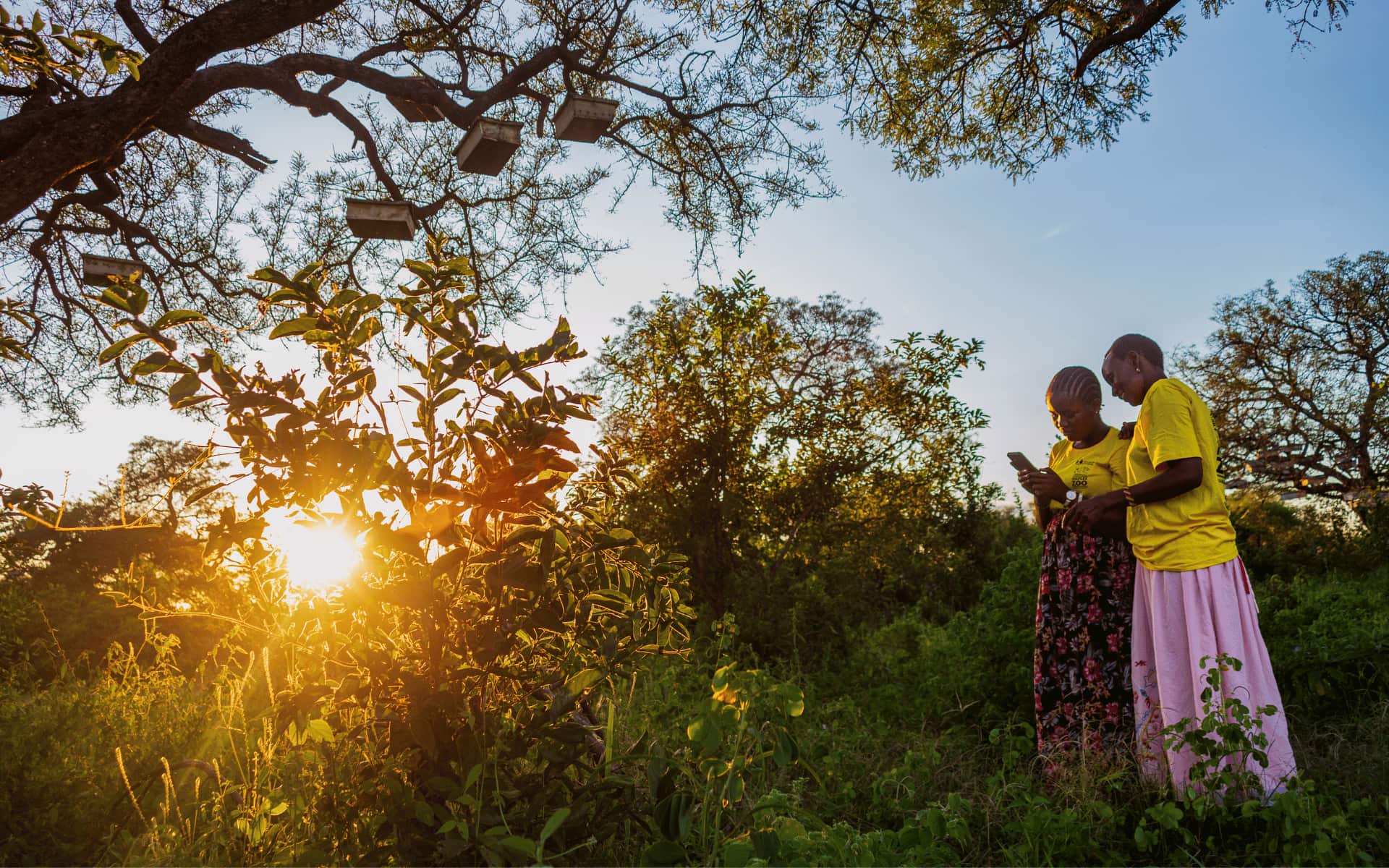
As the network expands, monitoring is becoming more systematic. Queen Bees check hive condition, colonization, and placement to support successful harvests and help groups identify where additional attention may be needed.
Tracking Progress and Impact
Sales reporting is shifting to a shared digital platform. In 2025, thirty-eight groups from five villages recorded $5,370 in sales through the system, covering products from crude and filtered honey to balms, skin care items, soap, candles, and lotion. Since many groups still rely on paper records, these figures reflect only the sales captured digitally, not the full scope of program revenue.
Across the Mama Asali program, women have installed and monitored 2,133 beehives, harvesting more than 26,600 kilograms of crude honey to date.
Looking ahead, the future of Mama Asali depends on the strength of the network that supports each group. Local processing, improved reporting, stronger market connections, and capable village leadership will shape the next chapter of this growing enterprise.