
Predator-proof livestock enclosures have changed the nature of carnivore conflict in many communities across northern Tanzania. African People & Wildlife’s signature Living Walls offer nighttime protection for cattle, sheep, and goats, sheltering them safely inside the boma. With over 2,100 Living Walls now established across Tanzania, long-term monitoring shows a strong track record (99% effectiveness!) of preventing attacks by lions and other carnivores after dark.
Yet much of each day finds livestock grazing across open communal rangelands, where the risks are harder to manage. Animals may stray from the herd or fail to return after grazing, increasing their susceptibility to predators before they reach the safety of home.
Conflict and Recovery on the Open Range
Field data from community-based officers and surveys are helping us trace how these patterns of conflict are shifting.
In Greater Lake Natron, household surveys from 2022 to 2025 reveal a story of growing wellbeing and increasing tolerance toward carnivores. Reported livestock depredation at pasture has fallen 57 percent since 2022, while reported attempts to kill carnivores in retaliation declined 89 percent. These numbers reflect a shift in both attitudes and outcomes.
Community-Led Solutions
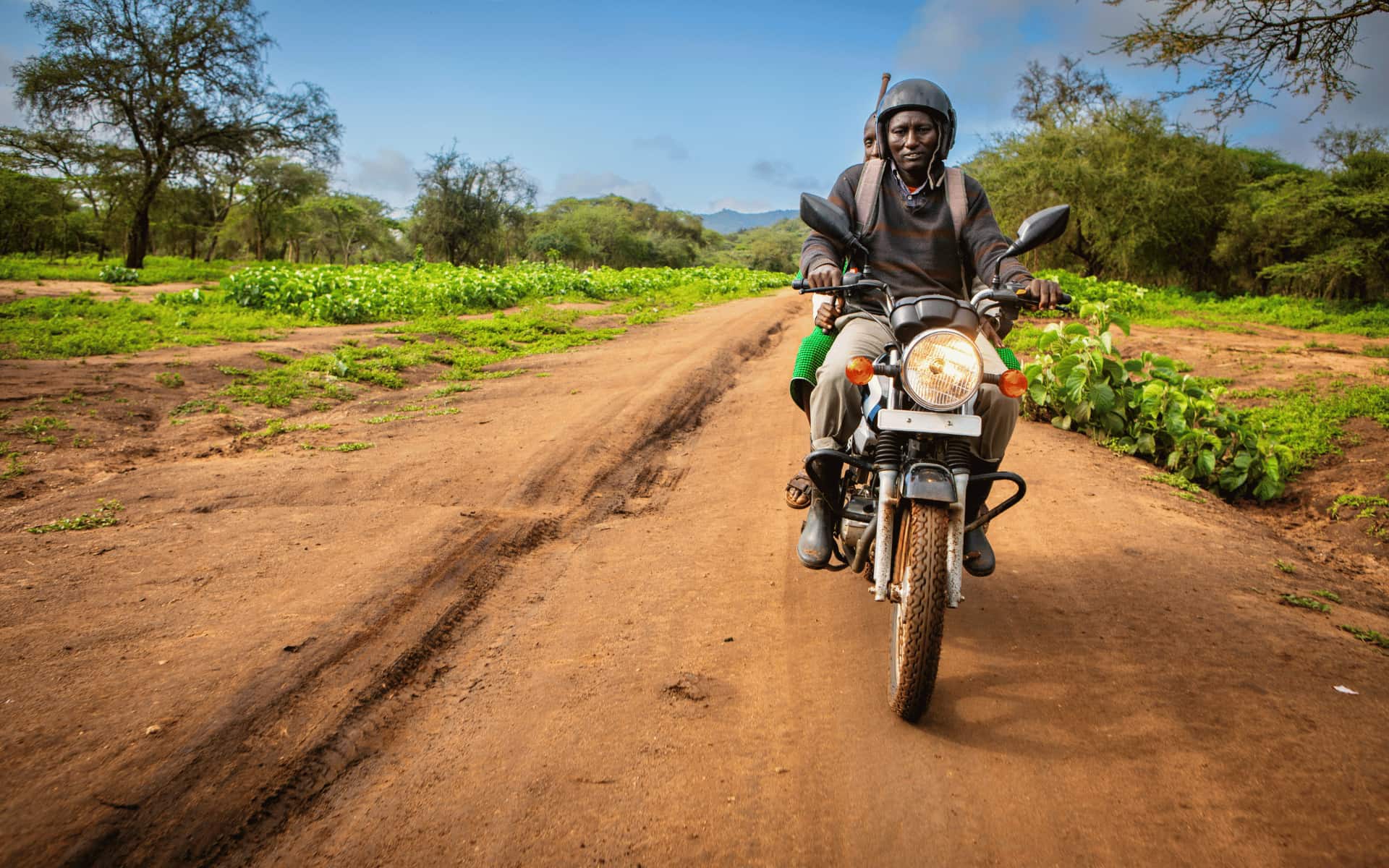
Several years of local response contributed to these changes. Warriors for Wildlife document livestock attacks, help families recover missing animals, assess the risk of retaliation, and use field reports to guide future prevention.
As attention turns to conflict on the pasture, livestock recovery has taken on new importance. In 2025, APW-supported teams carried out 1,002 searches, returning home animals valued at nearly $625,000—including 2,112 cattle, 2,121 sheep, 1,513 goats, and 99 donkeys.
Patterns vary across the landscape. In West Kilimanjaro, about two-thirds of reported lion conflict now takes place at pasture, guiding officers and herder outreach to the areas where livestock face the greatest risk. In Greater Mikumi, officers in Parakuyo village recovered livestock in 75 percent of searches in 2025, securing animals valued at over $51,000.
Adapting for the Future
Long-term monitoring allows us to see not just whether conflict is changing, but where risk remains concentrated and how prevention strategies must adapt.
Living Walls remain a cornerstone of nighttime protection. As our focus continues to shift to the open pasture, and thanks to the support of partners and donors, we help communities find ways to reduce livestock losses in places where fences cannot reach.